

Chia Seeds for Weight Loss: A Data-Driven Guide to How and Why They Work
In the search for natural weight management solutions, few foods have garnered as much attention as chia seeds. Promoted as a “superfood” and featured in countless wellness blogs and social media trends, these tiny seeds are often hailed as a magic bullet for weight loss. But what does the scientific evidence actually say? Can incorporating chia seeds into your diet meaningfully support your weight loss goals, or is this just another health fad? This article separates fact from fiction by examining the latest research, analyzing the nutritional mechanics at play, and providing a clear, practical guide on how to use chia seeds effectively within a holistic healthy eating plan.
The Nutritional Powerhouse: Why Chia Seeds Are Unique
Chia seeds (Salvia hispanica L.) are the small, nutrient-dense seeds of a flowering plant in the mint family, native to Mexico and Guatemala. Their recent rise in popularity is rooted in an impressive nutritional profile.
A standard serving of two tablespoons (about 25 grams) provides approximately:
- 138-140 calories
- 9-10 grams of fiber (nearly 40% of the daily recommended intake)
- 4.7-5 grams of plant-based protein
- 9 grams of fat, predominantly heart-healthy polyunsaturated fats, including omega-3 fatty acids in the form of alpha-linolenic acid (ALA).
This combination is key. The high fiber content absorbs water, expanding in your stomach to promote a feeling of fullness and slowing digestion. The protein and healthy fats further enhance satiety, helping to curb appetite and prevent overeating. Furthermore, they are a good source of minerals like calcium, phosphorus, magnesium, and antioxidants.
What the Research Says: The Evolving Science of Chia and Weight Management
The scientific narrative around chia seeds and weight loss is nuanced and has evolved in recent years. It’s crucial to look at the totality of evidence rather than any single study.
The following table summarizes key research findings and consumer trends from 2023 to 2025, illustrating how the understanding and application of chia seeds have developed.
| Year | Key Research Finding / Trend | Analysis & Practical Implication for Weight Loss |
|---|---|---|
| 2023 | A review in the Journal of Functional Foods highlights chia seeds’ antioxidants and fiber for supporting heart, liver, and metabolic health. | The focus broadens from just weight loss to overall metabolic health. The fiber that aids weight loss also benefits blood sugar and cholesterol. |
| 2024 | A systematic review of 10 studies finds chia seed supplementation may help reduce waist circumference in people with overweight. | Evidence suggests a potential benefit for visceral fat (belly fat), which is linked to metabolic risk. Chia seeds are seen as a component of a targeted health strategy. |
| 2025 | A major GRADE-assessed meta-analysis of 8 RCTs concludes chia seeds do not significantly impact body weight, BMI, or body fat percentage, but do significantly lower blood pressure. | Landmark study tempers expectations. Chia seeds are not a direct weight-loss agent but a health-promoting food. Benefits like blood pressure control contribute to overall wellness, which supports sustainable weight management. |
The Verdict: Modern research confirms that chia seeds are not a “magic bullet” for direct weight loss. You cannot simply add them to an unhealthy diet and expect to lose weight. Instead, they are a powerful tool for enhancing diet quality. Their real value lies in their ability to increase satiety, help control appetite, and provide essential nutrients, making it easier to adhere to a balanced, calorie-conscious diet.
How to Use Chia Seeds for Effective Weight Management
To harness the benefits of chia seeds for weight loss, follow these research-backed guidelines:
- Soak Them First: Never consume dry chia seeds, as they can absorb water in the esophagus and pose a choking hazard. Always soak them in liquid (water, milk, yogurt) for at least 10-15 minutes, or overnight, until they form a gel.
- Mind the Dosage: A common and safe daily serving is 1-2 tablespoons (12-25 grams). Starting with a smaller amount allows your digestive system to adjust to the high fiber content and avoids bloating or discomfort.
- Stay Hydrated: Their high fiber content requires ample water for proper digestion. Drink plenty of fluids throughout the day.
- Incorporate into Meals Strategically: Use chia seeds as a satiety-boosting addition to meals and snacks.
- Pre-Meal Drink: Soak 1 tablespoon in a large glass of water and drink 20-30 minutes before a meal to promote fullness.
- Breakfast Booster: Stir into oatmeal, yogurt, or smoothies.
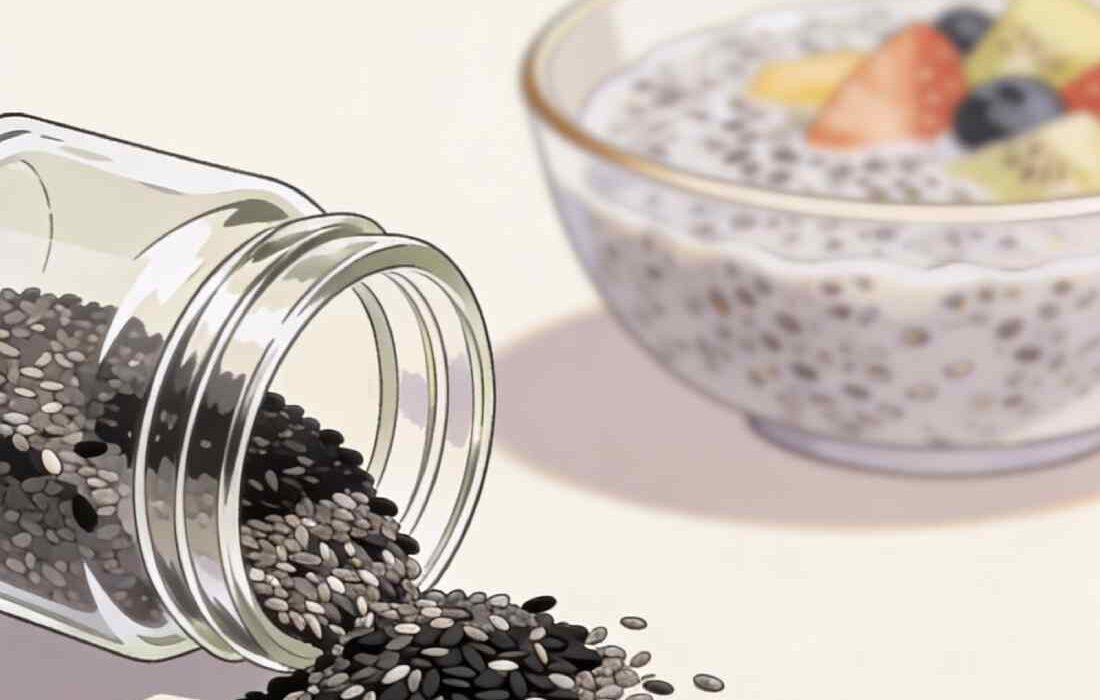
- Easy Pudding: Mix ¼ cup chia seeds with 1 cup of milk (dairy or plant-based) and let sit overnight for a ready-to-eat breakfast.
- Recipe Enhancer: Use as an egg substitute in baking or to thicken sauces, soups, or homemade salad dressings.
The Bigger Picture: What to Eat for Healthy Weight Loss
Sustainable weight loss is never about one single food. Chia seeds work best within a framework of low energy-density eating—consuming larger volumes of food that are lower in calories. This approach helps you feel full and satisfied while managing calorie intake.
Foundational Foods for a Weight-Loss Diet:
- Vegetables and Fruits: High in water and fiber, very low in calorie density. Fill half your plate with these.
- Lean Proteins: Fish, skinless poultry, eggs, legumes (beans, lentils), and low-fat dairy promote satiety and help preserve muscle mass.
- Whole Grains: Oats, quinoa, brown rice, and whole-wheat products provide sustained energy and fiber.
- Healthy Fats: Avocados, nuts, seeds, and olive oil are calorie-dense but important for health; consume in moderation.
This pattern aligns closely with the Mediterranean Diet, which emphasizes plants, healthy fats, and whole foods, and is consistently linked to healthy weight management and improved cardiometabolic health.
Conclusion: A Seed of Support, Not a Solution
Chia seeds are a nutritious, fiber-rich superfood that can be a valuable ally in your weight loss journey. Their strength lies in enhancing satiety, improving diet quality, and supporting overall metabolic health—not in causing direct weight loss on their own.
For sustainable results, integrate 1-2 tablespoons of soaked chia seeds daily into a balanced diet focused on whole, low-energy-density foods. Remember, successful weight management is a holistic endeavor built on consistent, healthy eating patterns, regular physical activity, and a realistic perspective on the role of any single food.
To further personalize your approach, consider these questions:
- Are you primarily interested in using chia seeds to curb between-meal snacks, or to create more substantial, healthy breakfasts like pudding or oatmeal?
- Do you have any digestive sensitivities that might require you to start with a smaller amount of fiber than typically recommended?
- Beyond weight management, are you also interested in other potential benefits of chia seeds, such as their omega-3 content for heart health?
FAQ Chia Seeds
FAQ 1: Can I eat chia seeds dry, or do I have to soak them first?
Answer: You should always soak chia seeds before eating them. Consuming dry chia seeds is not recommended and can be dangerous. Dry seeds can rapidly absorb water and expand, which poses a serious risk of choking or causing an esophageal blockage if they swell in your throat. For safe consumption, soak them in water, milk, or yogurt for at least 10-15 minutes (or overnight) until they form a soft, gel-like consistency.
FAQ 2: How many chia seeds should I eat per day for weight loss?
Answer: A standard and effective daily serving is 1 to 2 tablespoons (about 12-25 grams). This amount provides a substantial boost of fiber to promote fullness without excessive calories. It’s best to start with 1 tablespoon per day to allow your digestive system to adjust to the high fiber intake and to minimize potential side effects like bloating. Consistency is more important than large quantities.
FAQ 3: If research shows chia seeds don’t directly cause weight loss, are they still worth eating?
Answer: Absolutely. While they are not a direct weight-loss agent, they are a powerful tool for supporting the habits that lead to sustainable weight management. Their high fiber and protein content helps you feel full longer, making it easier to reduce overall calorie intake and avoid snacking. They also contribute to better overall metabolic health, including benefits for blood sugar and heart health, which creates a stronger foundation for wellness. Think of them as a healthy eating aid, not a magic solution.