

Last Updated: December 31, 2025
The Science of Warm Water on an Empty Stomach: Unlocking Digestive and Metabolic Benefits
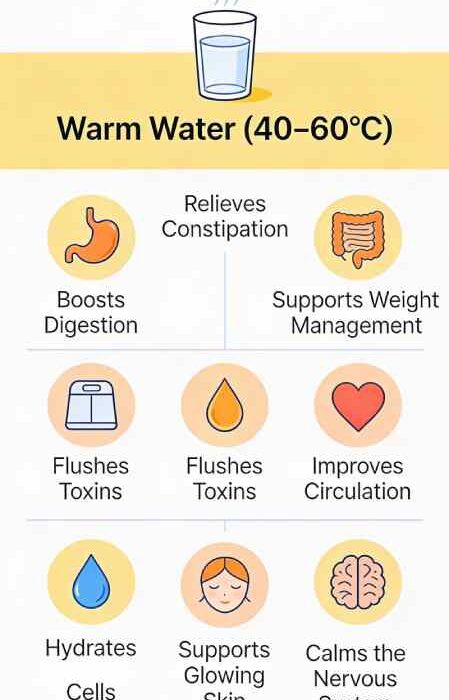
Drinking a glass of warm water first thing in the morning has been a cornerstone of Ayurvedic medicine for centuries, yet modern clinical research is now validating what wellness practitioners have long known. This ancient practice, often called “Agni Awakening” in traditional systems, involves consuming 200–500 milliliters of warm water (between 40–60°C) immediately after waking and before consuming any food or beverages. The accumulated scientific evidence shows that this simple ritual can trigger profound benefits across digestion, metabolism, weight management, and immune function—benefits that resonate with the growing global wellness movement toward preventive, natural health solutions.
Understanding the Mechanisms: How Warm Water Supports Health
The efficacy of warm water on an empty stomach operates through multiple physiological pathways, each supported by emerging clinical evidence.
Digestive Stimulation and Peristalsis
When consumed on an empty stomach, warm water gently stimulates the gastrointestinal tract and activates peristalsis—the wave-like muscular contractions that propel food and waste through the digestive system. The warmth of the water relaxes the intestinal walls and increases blood flow to digestive organs, essentially “waking up” the system after sleep. A landmark 2019 intervention study published in the International Scholars Conference found that participants who consumed 500 milliliters of warm water (45°C) before breakfast experienced a 68% effectiveness rate in achieving bowel movements on the first day, 88% by the second day, and 84% by the third day—with 96% of participants achieving at least one successful defecation within three days. This response is significantly faster than cold water, which research shows can slow gastric emptying and delay intestinal motility.
Metabolic Rate Enhancement and Thermogenesis
One of the most compelling findings in water-and-metabolism research is the phenomenon of “water-induced thermogenesis”—an increase in resting energy expenditure triggered by water consumption. A seminal 2003 study published in The Journal of Clinical Endocrinology and Metabolism revealed that drinking 500 milliliters of water increased metabolic rate by 30% in both men and women, with peak effects occurring 30–40 minutes after consumption and lasting more than one hour. Importantly, warm water appears to optimize this effect by reducing the energy the body must expend to bring the water to core body temperature, thereby freeing metabolic resources for other thermogenic processes. A 2023 randomized controlled trial found that participants who consumed 200–250 milliliters of warm water after each meal experienced significantly greater weight loss and reductions in body mass index (BMI) compared to those drinking regular water, with the warm water group seeing body weight decrease from 76 to 73 kilograms and BMI decline from 29 to 27 over a three-month period.
Parasympathetic Nervous System Activation
Warm water promotes the activation of the parasympathetic nervous system—often called the “rest and digest” response. This activation reduces cortisol and adrenaline, which are elevated upon waking, and facilitates deeper breathing and relaxation. From an Ayurvedic perspective, this calming effect “kindles Agni” (digestive fire) by creating an optimal physiological environment for nutrient absorption and elimination. The slow, intentional sipping of warm water, recommended in traditional practices, further enhances parasympathetic tone and mindful engagement with the body’s natural rhythms.
Microbiota and Anti-inflammatory Effects
Emerging research suggests that warm water consumption may modulate the gut microbiota and reduce systemic inflammation. A 2019 animal study found that young rabbits drinking warm water showed significantly improved growth performance, decreased risk of diarrhea, and optimized cecal microbiota composition compared to those drinking cold water. In humans, a 2024 study on thermal water revealed that mineral-rich warm water reduced the production of pro-inflammatory cytokines, with reductions in interleukin-6 (IL-6) by 26%, interleukin-8 (IL-8) by 31%, and interleukin-1 beta (IL-1β) by 44%—effects that tap water did not produce. These anti-inflammatory properties are particularly relevant for individuals with chronic digestive complaints or autoimmune sensitivities.
Top Health Benefits of Warm Water on an Empty Stomach
| Benefit | Mechanism | Evidence |
|---|---|---|
| Relieves Constipation | Stimulates peristalsis and softens stool; increases intestinal blood flow | 96% of participants achieved bowel movement within 3 days in clinical trial |
| Enhances Metabolism & Weight Loss | Increases resting metabolic rate by up to 30%; activates sympathetic nervous system | 2023 RCT: warm water group lost 3 kg in 3 months vs. control; metabolic boost lasts 60+ min |
| Improves Nutrient Absorption | Dilates blood vessels in GI tract; increases digestive enzyme activity | Warm water absorbed faster than cold; less energy needed for temperature regulation |
| Supports Detoxification | Promotes bowel regularity and kidney function; maintains optimal hydration | Consistent hydration essential for hepatic and renal clearance of metabolic waste |
| Reduces Inflammation | Modulates pro-inflammatory cytokines; supports microbiota balance | Thermal water reduced IL-1β by 44%, IL-6 by 26%, IL-8 by 31% |
| Enhances Immune Function | Optimizes lymphatic flow; supports white blood cell production | Proper hydration critical for lymph circulation and immune response |
| Alleviates Joint & Muscle Pain | Increases blood circulation; reduces muscle tension | Heat application increases flexibility and reduces pain perception |
| Improves Skin Health | Increases hydration and blood flow to skin; flushes toxins | Enhanced circulation delivers oxygen and nutrients; removes metabolic waste products |
| Promotes Better Sleep | Regulates core body temperature post-waking; reduces evening cortisol | Consistent morning ritual supports circadian rhythm alignment |
Patient Profile
A 38-year-old professional woman with a 6-year history of chronic constipation presented with a typical pattern: bowel movements only 2–3 times per week, accompanied by bloating, abdominal discomfort, and incomplete evacuation. She reported using over-the-counter stool softeners and fiber supplements intermittently, with inconsistent relief. Her condition worsened during periods of work stress and when traveling. She sought a natural, sustainable solution that would not require ongoing dependency on medications.
Intervention
Based on evidence from traditional Ayurvedic practice and supported by the 2019 clinical trial, the patient was advised to consume 500 milliliters of warm water (approximately 45°C) immediately upon waking, on an empty stomach, before any food or beverages. She was instructed to:
- Heat filtered water to approximately 45°C (comfortably warm but not hot to lips)
- Drink slowly in small sips, holding each sip briefly in the mouth before swallowing (traditional Ayurvedic practice to maximize digestive stimulation)
- Wait 15–20 minutes before consuming breakfast
- Maintain this ritual consistently, 7 days per week
- Continue standard fiber intake and increase overall water consumption throughout the day
The patient also adopted mild lifestyle modifications including 15 minutes of morning walking post-water consumption, consistent meal timing, and stress-reduction practices.
Outcomes (4-Week and 12-Week Follow-ups)
Week 1–2: By day 3 of the intervention, the patient reported her first spontaneous bowel movement without stool softeners in over 18 months. Initial frequency improved to 4–5 times per week.
Week 4: Bowel movements stabilized to once daily, occurring within 20–30 minutes of consuming warm water. Bloating reduced by approximately 70%, and the patient reported improved energy levels and mental clarity in the mornings. She discontinued stool softeners entirely.
Week 12: Daily bowel regularity persisted, with movements now comfortable and complete. The patient reported:
- Elimination of bloating episodes
- Improved digestion after meals
- Weight reduction of 2.1 kilograms (consistent with warm water metabolic effects)
- Enhanced sense of well-being and reduced anxiety around digestive function
- No adverse effects or dependency on the practice
This case exemplifies the findings of the 2019 intervention study, wherein 60% of participants achieved daily defecation following the warm water protocol, and 96% achieved at least one successful bowel movement within three days.
Warm Water in Global Wellness: Market Trends and Adoption (2022–2025)
The growing adoption of warm water and broader hydration-focused wellness practices is reflected in substantial market expansion across multiple sectors.
| Year | Ayurvedic Products Market (Global) | Functional Water Market | Digestive Health Supplements Market | Wellness Movement Milestone |
|---|---|---|---|---|
| 2022 | ~USD 15.2 billion | ~USD 4.2 billion (est.) | ~USD 19.3 billion | COVID-19 pandemic accelerates interest in preventive, natural health practices; Ayurvedic immunity-boosting protocols gain mainstream visibility |
| 2023 | ~USD 16.5 billion (est.) | ~USD 15.6 billion (est.) | ~USD 20.1 billion (est.) | Meta-analyses confirm warm water benefits for constipation and digestion; research on warm water thermogenesis published in mainstream journals |
| 2024 | ~USD 17.8 billion | ~USD 16.9 billion (est.) | ~USD 21.4 billion | Thermal water anti-inflammatory study published (2024); personalized Ayurveda and AI-driven wellness solutions emerge; e-commerce penetration of Ayurvedic products accelerates |
| 2025 | USD 16.51–20.42 billion | USD 17.2–31.4 billion (forecast) | USD 19.3–77 billion (various estimates) | Global wellness economy valued at USD 7.22 trillion; Ayurveda market projected at 19.72% CAGR through 2033(see the generated image above); functional water CAGR of 6.2% through 2035; consumer awareness of gut-health link to overall wellness peaks; government support for traditional medicine (esp. India) increases research funding and regulatory clarity |
- The global Ayurveda market is projected to reach USD 85.83 billion by 2033, representing a CAGR of 19.72%—substantially higher than conventional wellness categories.(see the generated image above)
- Functional water products (including mineral water, pH-balanced water, and hydration-enhanced beverages) are growing at a 6.2% CAGR, driven by consumer awareness of hydration’s role in preventive health.
- Digestive health supplements remain a dominant category, with probiotics alone accounting for 42–45% of market share, yet simple, low-cost interventions like warm water are gaining recognition as foundational supportive practices.
- Asia Pacific, particularly India and Southeast Asia, shows the fastest regional growth in Ayurvedic adoption, with online and hybrid wellness models expanding rapidly into rural and urban centers.
Best Practices for Maximum Benefit
To derive optimal benefits from the warm water ritual, practitioners should observe the following evidence-based guidelines:
Optimal Temperature: Warm water should be between 40–60°C (104–140°F). Water that is too hot may damage delicate digestive tissues, while water that is too cool may not trigger the parasympathetic response or enhance peristalsis effectively.
Timing and Quantity: Consume 200–500 milliliters (approximately 7–17 ounces) immediately upon waking, before any food. Some traditions recommend up to 1 liter (34 ounces), though evidence suggests 500 milliliters is optimal for most individuals.
Sipping Method: Rather than drinking rapidly, follow the Ayurvedic practice of sipping slowly, holding each sip briefly in the mouth to allow salivary enzymes and oral mechanoreceptors to signal digestive readiness. This mindful approach also enhances parasympathetic activation.
Individual Dosha Consideration (Ayurvedic): According to traditional classification, warm water suits all dosha types but is especially beneficial for Vata (dry, cold) and Kapha (heavy, sluggish) constitutions. Pitta-dominant individuals (those prone to heat, hyperacidity, or inflammatory conditions) may benefit from lukewarm water with cooling herbs like coriander or mint.
Contraindications and Cautions: Individuals with esophageal disorders, severe reflux, or swallowing difficulties should consult a healthcare provider before adopting warm water on an empty stomach. Those with acute fever or inflammatory bowel disease (IBD) flares may need personalized guidance. Pregnant and breastfeeding women should maintain adequate hydration but should avoid extreme temperatures.
The Wider Context: Warm Water as Foundational Preventive Care
While a glass of warm water may seem deceptively simple, its benefits underscore a broader shift in global health consciousness toward preventive, lifestyle-based interventions. The global wellness economy—valued at USD 7.22 trillion in 2025—is expanding at an annual growth rate of 7.6%, substantially outpacing overall GDP growth. Within this landscape, foundational practices like proper hydration, circadian alignment, stress reduction, and intentional morning rituals are increasingly recognized as cornerstones of sustainable health.
Warm water on an empty stomach exemplifies this shift: it is low-cost, requires no pharmaceutical intervention, produces no adverse effects when practiced safely, and is supported by both traditional wisdom and emerging clinical evidence. For those managing chronic constipation, seeking metabolic optimization, supporting digestive health, or simply cultivating a grounding morning ritual, this practice offers a scientifically grounded entry point into holistic wellness.