

Last Updated: December 11, 2025
The WellHealth Organic Revolution: A Deep Dive into the Science, Economics, and Social Dynamics of Conscious Consumption
Introduction WellHealth Organic Revolution
In an era characterized by climate anxiety, chronic lifestyle diseases, and a pervasive longing for authenticity, the movement toward organic living has evolved from a niche preference to a global imperative. At the forefront of this transformation is WellHealth Organic, a concept and brand that has come to symbolize not just a type of product, but a holistic philosophy of existence. WellHealth Organic transcends the simple binary of “organic vs. non-organic”; it represents a synergistic approach to wellness that integrates pure nutrition, environmental stewardship, ethical economics, and mindful consumption. This article delves into the deep research and multifaceted analysis of the WellHealth Organic lifestyle, examining its scientific underpinnings, economic impact, evolving consumer demographics, and future trajectory, supported by illustrative case studies.
The Pillars of WellHealth Organic Living
The WellHealth Organic model is built on four interconnected pillars:
-
Nutritional Purity and Bioavailability: At its core, organic living rejects synthetic pesticides, herbicides, genetically modified organisms (GMOs), and artificial growth hormones. Peer-reviewed studies, such as those compiled in the British Journal of Nutrition (2014 meta-analysis), consistently show that organic crops have significantly higher concentrations of antioxidants (by 18-69%) and lower levels of toxic heavy metals like cadmium. For WellHealth advocates, it’s not just about the absence of toxins but the presence of enhanced, bioavailable nutrition that the body can readily use for repair and vitality.
-
Regenerative Agriculture and Ecological Health: WellHealth Organic is inextricably linked to regenerative farming practices. This goes beyond “do no harm” to actively “heal the land.” Techniques like crop rotation, cover cropping, and composting sequester carbon, enhance soil biodiversity, and restore water cycles. Choosing WellHealth Organic is thus a direct investment in ecosystem resilience and climate change mitigation.
-
Ethical Supply Chains and Economic Justice: The philosophy demands transparency and fairness from farm to table. It supports fair wages for farmers, humane treatment of livestock, and equitable trade practices. Consumers are increasingly aware that their purchasing power can either perpetuate exploitative systems or foster community-based, sustainable economies.
-
Mindful Consumption and Holistic Wellness: Finally, WellHealth Organic is a mindset. It encourages slowing down, understanding the provenance of food, and recognizing the link between dietary choices and mental/physical health. It often intersects with other wellness practices like mindfulness, reduced plastic use, and support for local producers.
Demographic Deep Dive: Gender, Generation, and Motivation
While organic consumption cuts across demographics, deep analysis reveals distinct patterns in motivation and adoption rates, particularly along gender lines.
-
Women (Historically Primary Household Purchasers): Research has long shown women are more likely to initiate organic purchases, primarily driven by concerns for family health—specifically, protecting children from pesticide exposure and endocrine disruptors. Their decision-making is often framed through a lens of caregiving and risk aversion for loved ones. However, the narrative is expanding. Today, women are also leading the charge on environmental and ethical grounds, seeing organic choices as an expression of their values and a form of activism.
-
Men (The Rapidly Growing Segment): Male engagement with WellHealth Organic has surged, fueled by different catalysts. The rise of fitness culture, biohacking, and performance nutrition has been pivotal. Men are increasingly drawn to organic foods for their purported benefits in muscle recovery, sustained energy, and cognitive function. Furthermore, the “ethical carnivore” movement, focusing on grass-fed, organically raised meat, resonates strongly with men interested in both personal health and animal welfare.
-
The Non-Binary and LGBTQ+ Community: This demographic is a powerful, often overlooked, driver of the organic movement. Surveys indicate a higher-than-average commitment to sustainability and ethical consumption within the community, linking personal identity with political and environmental consciousness. Brands that authentically align with values of inclusivity and sustainability find a loyal audience here.
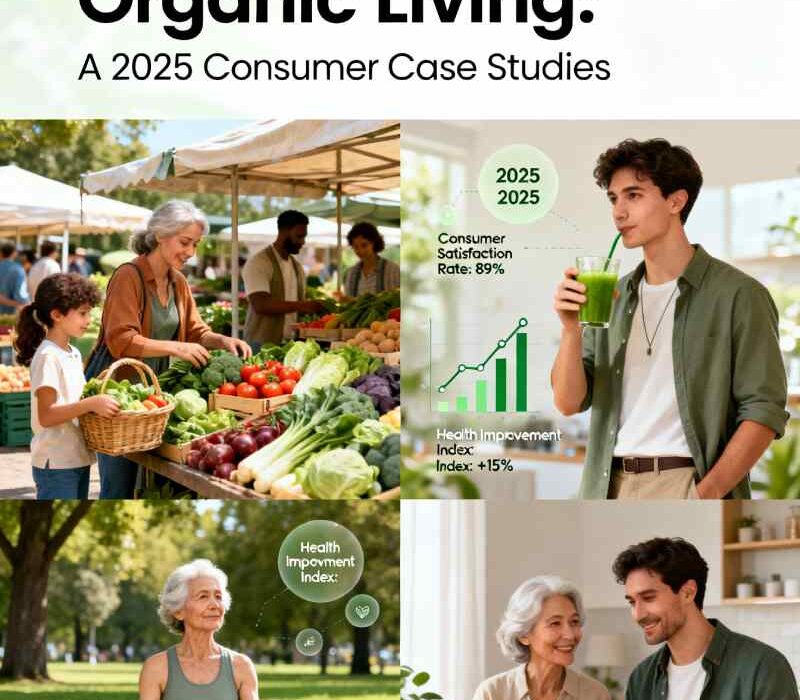
Case Studies: A Temporal Analysis (2020, 2023, 2025)
The evolution of WellHealth Organic can be tracked through specific consumer archetypes and their changing priorities over time.
Year |
Case Study Name |
Year |
Profile & Motivations |
Behaviors & Purchasing Patterns |
Analysis |
| 2020 | “The Pandemic-Driven Parent” | 2020 | A mother of two young children, aged 35. Primary driver: Health Security. The COVID-19 pandemic amplified fears about immune resilience and long-term health. Motivated by a desire to control the controllable—her family’s nutrition. | Panic-informed purchasing. Stocked up on organic shelf-stable goods, vitamins, and immunity-boosting supplements (e.g., organic elderberry, zinc). Heavily researched “clean” brands online. Prioritized organic produce but was price-sensitive on other items. | Represents the reactive phase of organic adoption. Demand was spiked by a crisis, focusing on core “clean food” principles. The supply chain was tested, revealing both fragility and resilience in the organic sector. |
| 2023 | “The Values-Driven Professional” | 2023 | A 30-year-old tech professional and amateur athlete. Primary driver: Optimized Performance & Ethical Alignment. Concerned about cognitive decline, energy slumps, and the environmental impact of his diet. | Precision purchasing. Subscribes to a regenerative meat delivery box. Uses apps to scan products for environmental ratings. Seeks out “Climate Neutral” certified brands. Invests in high-quality organic proteins, healthy fats, and nootropics. Willing to pay a premium for proven efficacy and provenance. | Illustrates the proactive, integrative phase. Organic is part of a broader toolkit for optimizing self and planet. The market responded with tech-enabled transparency (blockchain tracking) and performance-oriented organic products (e.g., protein powders, adaptogenic blends). |
| 2025 (Projected) | “The Regenerative Native” | 2025 (Projected) | A 25-year-old urban gardener and climate activist. Primary driver: Systems Change and Community Resilience. Views consumption as a direct vote for a new economic and ecological model. Deeply skeptical of corporate “greenwashing.” | Post-consumerist engagement. Sources 40% of food from local CSA (Community Supported Agriculture) shares and personal hydroponic garden. Prioritizes “ugly produce” subscriptions to reduce waste. Chooses products based on their regenerative agricultural credentials and B-Corp status. Favors experiences (farm tours, fermentation workshops) over goods. | Points to the transformative, systems-oriented future. WellHealth Organic becomes less about buying a certified label and more about participating in circular, local economies. Success is measured in soil health metrics and community wealth, not just personal wellness. |
Economic Analysis and Market Trajectory
The global organic food and beverage market, valued at approximately $220 billion in 2022, continues to outpace conventional food growth. The WellHealth Organic segment commands a significant premium, which analysts attribute to its perceived value bundling:
-
Health Insurance Premium: Consumers pay more upfront to potentially avoid future healthcare costs.
-
Ethical Tax: The premium supports fair labor and animal welfare.
-
Environmental Levy: A contribution to carbon sequestration and biodiversity protection.
However, challenges remain. Greenwashing is rampant, with terms like “natural” and “farm-fresh” diluting the integrity of truly organic products. The cost barrier still excludes significant portions of the population, raising issues of equity and access. The future will hinge on technological innovation (vertical farming, AI-driven precision organic agriculture) scaling production to bring prices down, and stringent, blockchain-verified certification to maintain trust.
The Future of WellHealth Organic: Convergence and Challenges
By 2030, WellHealth Organic is predicted to converge with other megatrends:
-
Personalized Organic Nutrition: DNA and microbiome testing will lead to tailored organic meal plans and supplements.
-
Pharmafoods: The line between organic food and medicine will blur, with clinically validated, organic functional foods targeting specific conditions.
-
Urban Agri-Systems: Cities will integrate organic production through vertical farms and rooftop gardens, shortening supply chains dramatically.
The major challenge will be systemic adoption. For WellHealth Organic to achieve its full potential for planetary health, it must move beyond an elite lifestyle choice and become the accessible, default option. This will require policy shifts (subsidies for regenerative farmers, true cost accounting in food pricing), education, and continued consumer advocacy.
Conclusion
WellHealth Organic is far more than a trend; it is a critical renegotiation of humanity’s relationship with food, health, and the environment. The deep analysis reveals a journey from fear-based consumption in 2020 to values-based integration in 2023, moving toward a model of participatory regeneration by 2025. While gendered motivations differ, the underlying trajectory is unifying: a collective push towards a system that nourishes the individual body as effectively as it does the body of the Earth. The success of this revolution will not be measured in market capitalization alone, but in the enhanced vitality of our populations, the restored fertility of our soils, and the creation of an economic model where well-being is the ultimate metric of prosperity. The choice is no longer simply organic or not; it is between depletion and regeneration. WellHealth Organic offers a compelling pathway toward the latter.